Old Shingles vs New Shingles
Old Shingles vs New Shingles
The difference that matters most is flexibility.
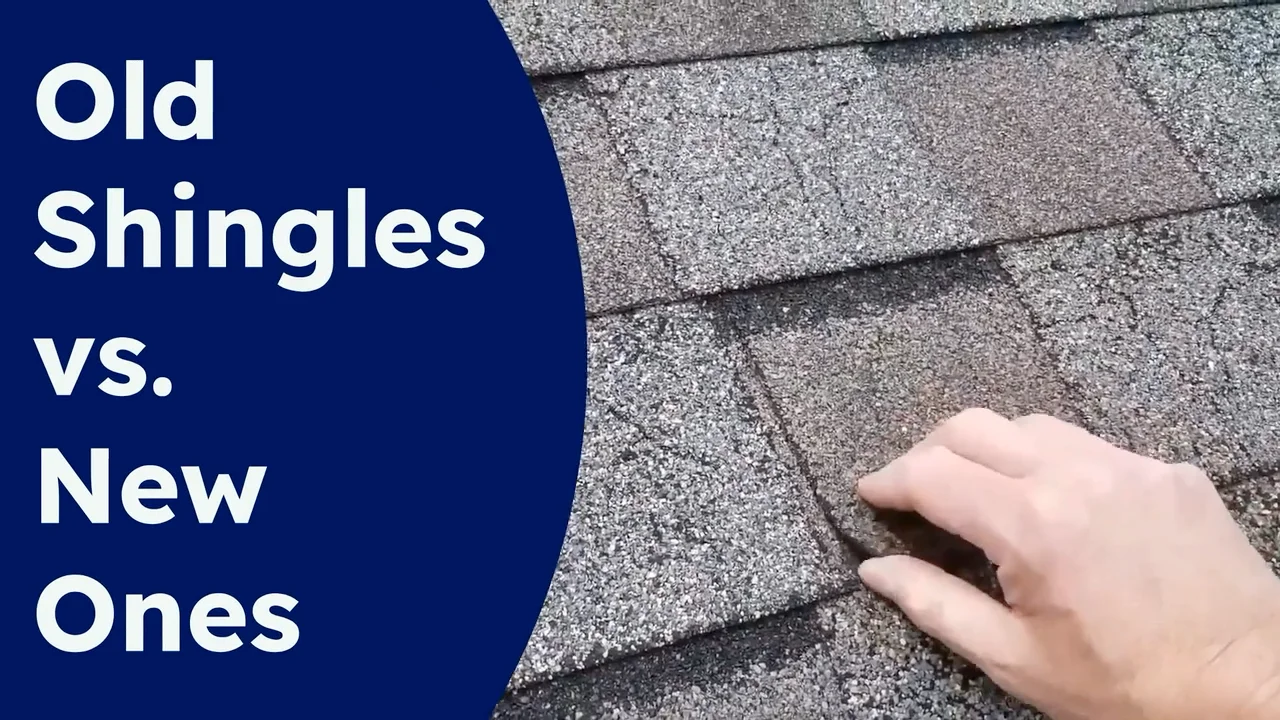
If you've ever wondered how an older asphalt shingle differs from a newer one, the difference that matters most for Roof Maxx is flexibility. Asphalt shingles lose flexibility with age, and Roof Maxx is a plant-based treatment that soaks into the shingle to restore it.
What Changes as Shingles Age
A newer asphalt shingle still has the flexibility it came with, while an older one has lost some of it over the years. If you've noticed curling edges, cracked shingles, or granules collecting in your gutters, a free roof health checkup will tell you what those signs mean for your roof.
Protective granules matter to us when we inspect, since we won't treat a roof that has lost 30% or more of them.
When an Older Roof Can Still Qualify
The best candidates for Roof Maxx are asphalt shingle roofs that are aging but structurally sound, typically 10 to 20 years old. We won't treat a roof with repeated problems, and Roof Maxx isn't made for metal or tile roofs.
On 17-year-old three-tab shingles, treated shingles passed the pliability bend test, including the weather-side-down test that simulates high wind.
Where Roof Restoration Fits In
When your shingles qualify, one treatment extends their life by five years. Repeat treatments can add up to 15 years, at up to 80% less than replacement. If some shingles are loose or missing, your technician's tune-up replaces or secures them before the treatment goes on.
If your roof has reached the point where a treatment won't help, we'll tell you after the inspection rather than guess from the street.
The best way to know for sure is with a free roof health checkup, so call 941-981-0120 to schedule yours.